
 Save
Save
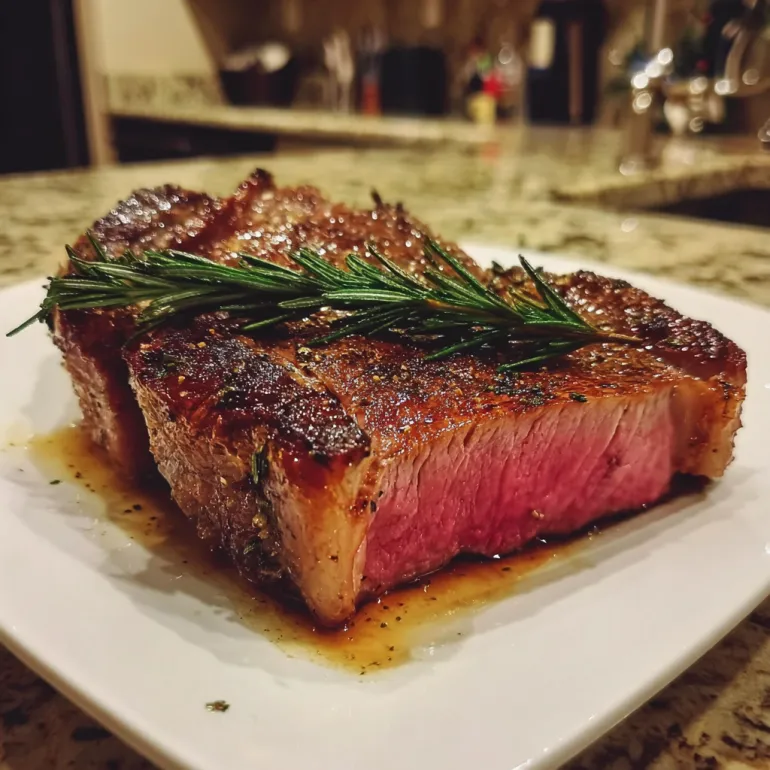
This bone-in ribeye roast recipe is all about achieving that perfect balance of flavor and juiciness, making it an exceptional centerpiece for any special occasion. The method ensures a crispy crust with a tender and succulent interior that will have everyone asking for seconds.
I first made this roast for a holiday dinner and the smoky fragrance combined with the juicy texture made it an instant favorite in our family. It’s become my go-to recipe whenever I want to impress guests without spending all day in the kitchen.
Ingredients
- Bone-in ribeye roast: five pounds, the bone helps insulate the meat while adding flavor
- Salt: two tablespoons, essential for seasoning and enhancing natural beef flavor
- Black pepper: one tablespoon, adds a subtle heat and aromatic complexity
- Garlic powder: one tablespoon, provides a gentle savory background without overpowering
- Olive oil: two tablespoons, helps the seasoning stick and promotes a beautiful crust
- Fresh rosemary: two sprigs, infuses the roast with a fragrant, piney note, choose fresh vibrant green sprigs for best aroma
Step-by-Step Instructions
- Preheat the Oven:
- Set your oven to four hundred fifty degrees Fahrenheit or two hundred thirty-two degrees Celsius for a hot start that sears the meat’s surface locking in juices
- Prepare the Roast:
- Pat the ribeye dry thoroughly with paper towels to remove moisture this promotes browning Rub the roast evenly with olive oil followed by salt black pepper and garlic powder ensuring every part is well-coated
- Add Aromatics:
- Lay the fresh rosemary sprigs on top of the roast pressing them in slightly so the oils permeate the meat as it cooks
- Roast and Adjust Temperature:
- Place the roast on a rack set inside a roasting pan to allow proper air circulation Cook for twenty minutes at the high temperature then reduce heat to three hundred twenty-five degrees Fahrenheit or one hundred sixty-three degrees Celsius for gentle finishing
- Check Doneness:
- Use a meat thermometer inserted into the thickest part of the roast aiming for an internal temperature of one hundred thirty-five degrees Fahrenheit or fifty-seven degrees Celsius for medium-rare
- Rest the Roast:
- Remove from oven and let it rest uncovered for fifteen to twenty minutes this allows the juices to redistribute making each slice juicy and tender
 Save
Save
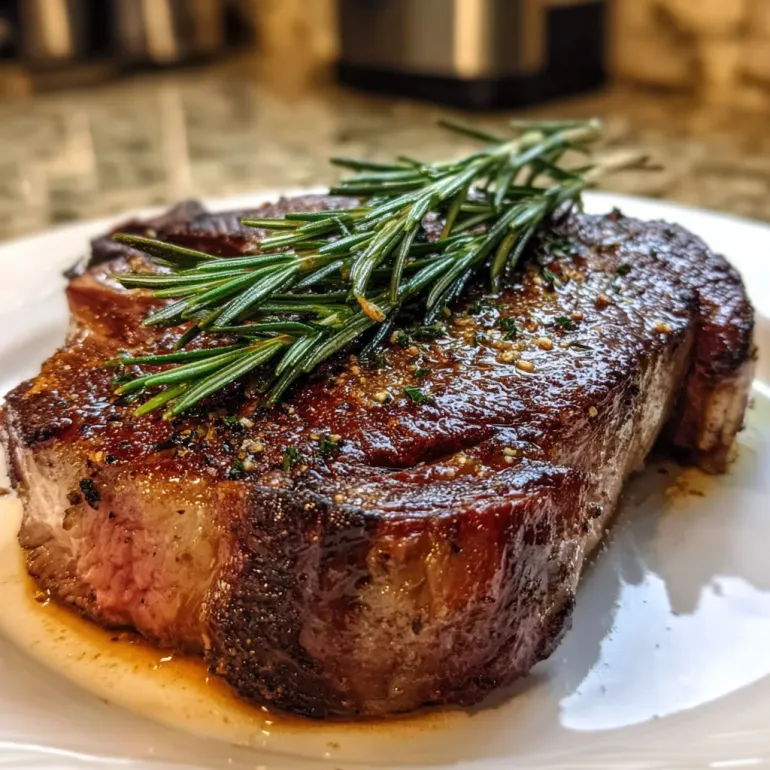
My favorite ingredient is fresh rosemary because its earthy fragrance transforms the roast and creates a memorable aroma that fills the kitchen during cooking. One year I made this for a family gathering and the scent alone brought everyone to the table faster than the timer.
Storage Tips
Store any leftover roast slices tightly wrapped in foil or an airtight container in the refrigerator for up to four days. For longer storage wrap well in plastic wrap followed by aluminum foil before freezing and use within three months. Reheat gently covered in a low oven to keep meat moist and tender.
Ingredient Substitutions
If fresh rosemary is not available dried rosemary can be used but add it before roasting so it has time to infuse flavor. You can replace garlic powder with fresh minced garlic for a more pronounced garlicky flavor just be sure not to burn it during the searing stage. Olive oil may be swapped for avocado oil for a higher smoke point but olive oil’s fruity aroma complements the beef best.
Serving Suggestions
Serve with classic sides like roasted Brussels sprouts mashed potatoes or a simple green salad dressed with lemon vinaigrette. A rich red wine sauce or a creamy horseradish sauce also pairs wonderfully with the ribeye roast boosting depth and adding contrast. Don’t forget fresh bread to soak up all those delicious juices.
Recipe FAQs
- → How do I ensure the ribeye roast stays juicy?
Start roasting at a high temperature to sear the meat and lock in juices, then reduce heat to cook evenly. Resting the roast before slicing also helps retain moisture.
- → What seasoning works best for bone-in ribeye roasts?
A simple blend of salt, black pepper, and garlic powder enhances the roast’s natural flavors. Olive oil helps create a flavorful crust, and fresh rosemary adds aromatic notes.
- → How do I check if the ribeye roast is done?
Using a meat thermometer is best: aim for an internal temperature of about 135°F (57°C) for medium-rare doneness.
- → Why is letting the roast rest important?
Resting allows the juices to redistribute throughout the meat, making each slice tender and flavorful rather than dry.
- → Can I adjust the cooking time for different roast sizes?
Yes, larger roasts require longer cooking times. Using a thermometer helps ensure proper doneness regardless of size.