
 Save
Save
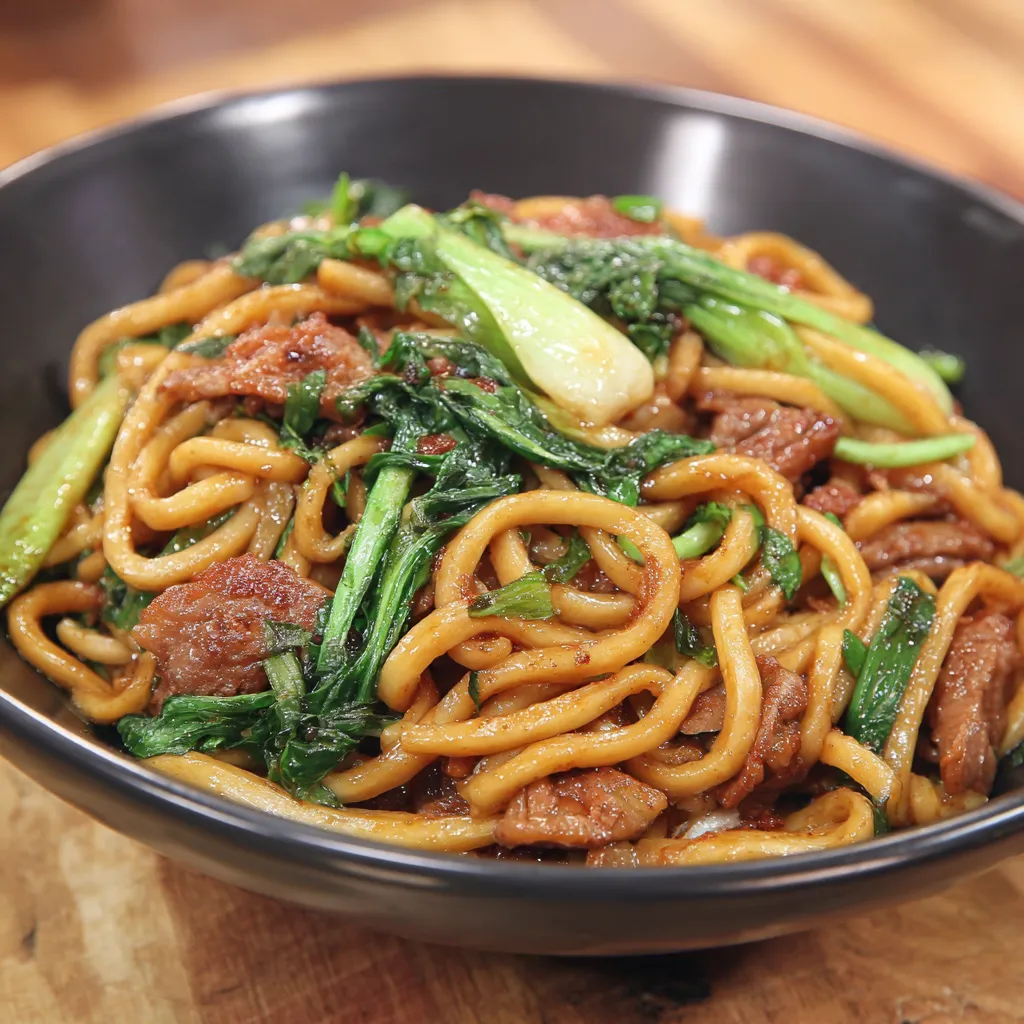
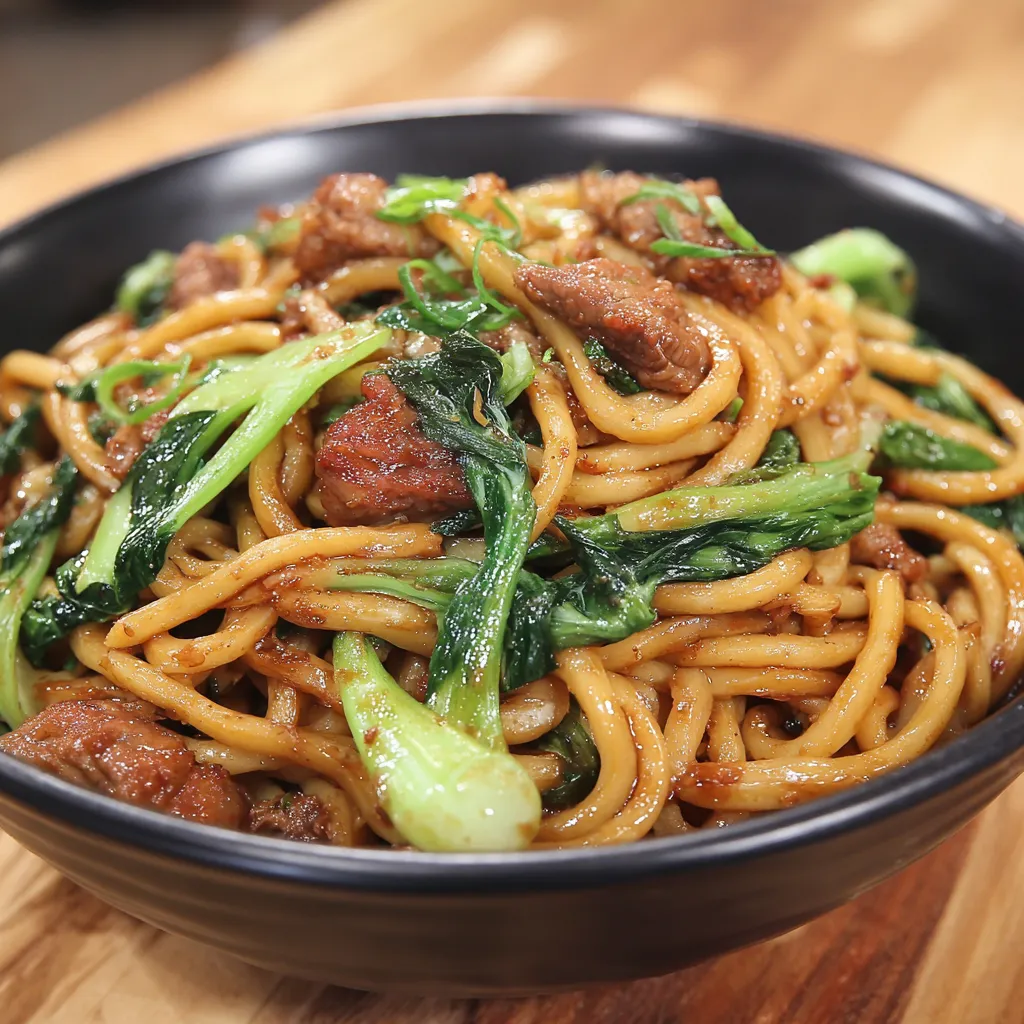
This Shanghai Fried Noodles recipe brings together chewy udon noodles, tender chicken, and crisp vegetables in a savory soy-based sauce that balances sweet and salty flavors. It’s perfect for a quick weeknight meal or a group dinner when you want something filling and delicious without complicated steps.
I first tried this during a busy weeknight and was amazed how quickly it came together. Since then, it has become a family favorite, especially when I want something comforting but not heavy.
Ingredients
- Chicken thighs: thinly sliced for juicy tenderness and quick cooking
- Shaoxing wine: adds a subtle depth and aroma essential for authentic flavor
- Cornstarch: to coat the chicken helps seal in moisture and creates a slight crisp
- Garlic: gives a fragrant kick fresh and finely minced works best
- Cabbage: contributes a mild sweetness and crunch look for firm, fresh heads
- Bok choy leaves: bring a leafy green freshness and mild bitterness
- Udon noodles: which are thick and chewy, pairing perfectly with the sauce choose fresh or frozen if available
- Dark soy sauce: for richness and deep color
- Light soy sauce: for saltiness and brightness
- Oyster sauce: adds umami and a touch of sweetness
- Sugar: balances the overall flavor profile and rounds out the sauces
Step-by-Step Instructions
- Marinate the Chicken:
- Combine the thinly sliced chicken thighs with shaoxing wine, cornstarch, and salt. Let it rest for at least 15 minutes to tenderize and enhance flavor. This step is key to juicy, flavorful chicken.
- Prepare the Vegetables and Sauce:
- Mince garlic finely until fragrant and separate the bok choy leaves. Chop the cabbage into bite-sized pieces. Mix dark soy sauce, light soy sauce, oyster sauce, and sugar in a bowl until the sugar dissolves completely. This sauce blend is the heart of the dish.
- Cook the Noodles:
- Boil the udon noodles just before al dente, about one minute less than the package instructions. Drain well and set aside. This ensures noodles finish cooking in the sauce without becoming mushy.
- Cook the Chicken:
- Heat oil in a frying pan over medium-high heat and brown the chicken pieces on all sides, about five minutes. Remove and set aside. Browning builds flavor and keeps the chicken moist.
- Sauté the Vegetables:
- In the same pan, add garlic and cook for 30 seconds until aromatic. Add the cabbage and cook until it starts to wilt but still has texture. Follow by adding bok choy leaves, cooking just until they soften. This layering of veggies keeps them vibrant.
- Combine Everything:
- Return chicken to the pan along with noodles and sauce. Toss everything together continuously over medium heat until the sauce thickens and coats the noodles evenly. This step bonds all the flavors and gives the noodles that glossy shine.
- Serve and Enjoy:
- Transfer to a serving bowl or eat straight from the pan. The noodles are best hot and fresh for that perfect chew and flavor punch.
 Save
Save
My favorite ingredient here is the shaoxing wine which adds a subtle complexity you don’t get from regular cooking wine. I remember making this for a casual dinner party and being impressed how everyone went back for seconds. It’s now a staple recipe when I want to impress without fuss.
Storage Tips
Store leftovers in an airtight container in the fridge for up to three days. Reheat gently in a pan to keep noodles from sticking and drying out. Avoid the microwave if you want to maintain texture.
Ingredient Substitutions
If you can’t find udon noodles, thick Chinese egg noodles or even spaghetti can work in a pinch. For oyster sauce try mushroom stir-fry sauce for a vegetarian twist. Using chicken breast instead of thighs is fine but monitor cooking time as it can dry out faster.
Serving Suggestions
Pair with a light cucumber salad or pickled vegetables to cut through the richness. A simple hot green tea complements the savory soy flavors well. Garnish with sliced green onions or toasted sesame seeds for extra texture.
Cultural Context
Shanghai fried noodles are a beloved street food in Shanghai, known for their chewy texture and savory sauces. This dish represents the balance of flavors and textures common in Chinese home cooking, making it a comforting yet exciting meal.
Pro Tips
- Make sure not to overcook the noodles during boiling to avoid mushy texture.
- Toast garlic briefly until fragrant to release full aroma but do not burn it as it turns bitter.
- Toss quickly and continuously when adding sauce to ensure every noodle absorbs the flavors evenly.
Recipe FAQs
- → What type of noodles work best for this dish?
Udon noodles provide a chewy texture that holds up well during stir-frying, making them ideal for this dish.
- → How should the chicken be prepared for tender results?
Thinly slicing the chicken and marinating briefly with shaoxing wine, cornstarch, and salt helps keep it tender and juicy when cooked.
- → Why is the sauce a combination of dark soy, light soy, oyster sauce, and sugar?
This blend balances sweetness, saltiness, and umami for a rich and well-rounded flavor that perfectly coats the noodles and ingredients.
- → How do I prevent the vegetables from becoming too soft?
Sauté vegetables just until they wilt to maintain a slight crunch and fresh taste, enhancing the overall dish texture.
- → Can other greens replace bok choy in this dish?
Leafy greens like napa cabbage or baby spinach can be good alternatives that provide a similar tender texture and mild flavor.