
 Save
Save
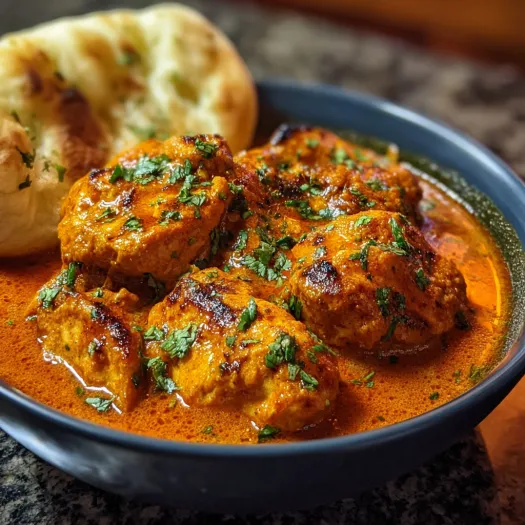
This savory Ethiopian chicken curry is packed with rich spices and comes together in just 15 minutes, making it perfect for busy weeknights when you want something flavorful without the fuss. The deep, complex flavors of berbere spice blend and fenugreek seed bring authentic Ethiopian warmth to your plate, complemented by a luscious onion-garlic-ginger base and tender chicken thighs simmered in ghee for richness.
I first made this during a hectic workweek and was amazed at how fast it came together without sacrificing flavor. Now it’s a dinner I make whenever I crave something comforting but different.
Ingredients
- One pound boneless skinless chicken thighs: because the thigh meat stays juicy and tender during cooking
- Two tablespoons fresh lemon juice: for a bright, tangy lift that balances the spices
- Two medium yellow onions: for sweetness and body yellow onions have the perfect balance of pungency and natural sugars
- Three tablespoons vegetable oil: to blend with the onions and create a smooth paste olive oil also works if you prefer
- One cup water or chicken broth: to loosen the paste and build the sauce chicken broth adds extra richness
- Two tablespoons Ethiopian berbere spice: the heart of the dish for heat and aroma, adjust quantity for your spice tolerance
- One teaspoon kosher salt: to season evenly
- One teaspoon fenugreek seed: for a subtle nutty sweetness that softens the heat optional if you want a milder profile
- One pod black cardamom: toasted for 20 seconds in ghee, which adds smoky, resinous notes regular cardamom works too
- Two tablespoons garlic ginger paste: for punchy flavor and warmth freshly minced garlic and ginger are great substitutes
- Three tablespoons ghee: to create a rich, buttery base classic to Ethiopian cooking coconut oil can be used if you want dairy-free
- One loaf injera bread for serving: which is a traditional Ethiopian flatbread perfect for soaking up the sauce
- Side salad: such as arugula or spicy lentil salad to complement the curry with freshness and texture
Step-by-Step Instructions
- Soothe the onions:
- Microwave the onions in a covered bowl for about ten minutes until they become soft and translucent. This softening process helps build the dish’s flavor base without needing to spend time sautéing on the stove.
- Puree the onion base:
- Once the onions cool slightly, blend them with vegetable oil and water until you get a smooth, thick paste. This paste will form the backbone of the curry sauce.
- Prepare the chicken:
- Cut the chicken thighs into thirds to ensure even cooking and easier eating. Drizzle with fresh lemon juice and set aside to marinate briefly, which adds brightness and helps tenderize the meat.
- Warm the ghee and spices:
- In a large pot over medium heat, melt the ghee. Toast the black cardamom pod and fenugreek seeds for about 20 seconds while stirring to release their essential oils and aroma. Be careful not to burn them, as that would add bitterness.
- Add garlic ginger paste:
- Spoon in the garlic ginger paste and cook for one minute to mellow the raw flavors and start building the fragrant base.
- Incorporate berbere spice:
- Sprinkle in the berbere spice, stirring constantly for 30 to 40 seconds. This toasting elevates the spice’s complexity without burning the mix.
- Cook the onion paste:
- Add half of your blended onion paste, stirring well and cooking for about a minute. This step lets the sauce begin to thicken and deepen in flavor. Then add the remaining onion paste and let it simmer gently for four minutes to develop that rich body.
- Simmer the chicken:
- Add the lemon-infused chicken pieces, stirring to coat in the sauce. Cover the pot and simmer for 12 to 15 minutes until the chicken is cooked through and tender.
- Adjust the sauce:
- If the sauce feels too thick, add a bit more water or chicken broth to get the desired consistency. The sauce should be luscious enough to cling to your injera but pourable.
- Serve and enjoy:
- Spoon the curry onto injera bread and enjoy it with a side salad if you like. The injera soaks up the sauce, making every bite deliciously messy.
 Save
Save
My favorite part of this recipe is the fenugreek seed. It adds a subtle sweetness that balances out the spicy berbere and smoky black cardamom. Once, my family and I gathered around the table sharing this dish on a cold evening, and the comforting aromas instantly made the night feel warm and special.
Storage Tips
Store any leftovers in an airtight container in the refrigerator for up to three days. Reheat gently on the stove or microwave, adding a splash of water or broth to loosen the sauce if it thickens too much. This curry also freezes beautifully just thaw overnight in the fridge before reheating.
Ingredient Substitutions
If you cannot find berbere spice, try a mix of smoked paprika, cayenne pepper, coriander, and cinnamon to mimic its warm complexity. You can swap out chicken thighs for eggplant and zucchini if you prefer a vegetarian version, using the same spices and cooking steps but simmering the vegetables until tender.
Serving Suggestions
Traditionally served with injera bread which is fantastic for scooping up sauce. If you can’t find injera, serve with rice or flatbreads like naan or pita. A fresh, peppery arugula salad or a tangy lentil side also pairs beautifully with this curry’s richness.
Cultural Context
This dish echoes the rich culinary heritage of Ethiopia where spice blends like berbere and cooking with ghee are central. Ethiopian cuisine often features slow-simmered stews called wat, and this recipe is a quicker take on the classic Doro Wat chicken stew, adapted for modern busy home kitchens.
Pro Tips
- Toast your spices carefully because burnt spices can ruin the flavor keep stirring and watch the heat
- Do not skip blending the onion paste as it creates a silky texture that carries the spices perfectly
- Add water or broth gradually to control sauce consistency better thicker or thinner is a matter of personal preference
Recipe FAQs
- → What spices bring out the flavor in this dish?
Berbere spice blends with black cardamom and fenugreek seed create a warm, aromatic depth that defines the dish's distinctive taste.
- → Can I use a substitute for ghee in this dish?
Yes, coconut oil works well as a dairy-free alternative, maintaining richness while accommodating different diets.
- → How can I make this dish vegetarian without losing flavor?
Replace chicken with eggplant or zucchini; their texture soaks up the spices beautifully, preserving boldness and heartiness.
- → Is it necessary to use fresh lemon juice?
Fresh lemon juice brightens the dish and complements the spices, but bottled juice can be used in a pinch.
- → What is the best way to serve this dish traditionally?
Serving with injera bread allows you to enjoy the sauce fully, while a side salad adds freshness and balance.