
 Save
Save
Chicken Satay – Spring Roll Bowls bring the vibrant flavors of grilled curry chicken and fresh vegetables together in a simple and nourishing meal bowl. This dish captures the essence of Southeast Asian cuisine in a format that is easy to prepare and perfectly balanced for lunch or dinner.
I discovered this recipe on a warm weekend and it quickly became a go-to for weeknight dinners because it feels special without being fussy. My family especially loves how the fresh vegetables add crunch and freshness to each bite.
Ingredients
- Chicken thighs: cut into bite-sized pieces chicken thighs stay juicy and tender when grilled
- Olive oil: helps to coat the chicken for even cooking and a hint of richness
- Fresh garlic: finely minced adds a fragrant punch essential for authentic flavor
- Ginger paste: brings warmth and a subtle zing, use fresh if possible
- Low-sodium soy sauce: balances savory notes without overpowering saltiness
- Yellow curry powder: the star of the marinade, opt for a good quality brand for true flavor
- Ground turmeric: gives the dish its vibrant golden color and a mild earthy taste
- Ground coriander: adds a citrusy undertone that complements the curry
- Chili powder: adjusts the heat level to your taste
- Coconut milk: lends creaminess and softens the spices in the marinade
- Salt and ground black pepper: basic seasoning to enhance all flavors
- Brown sugar or honey: adds a touch of sweetness to balance the spices
- Red pepper flakes: for extra heat if you like it spicy
- Chopped fresh cilantro, lime juice, and chopped peanuts for garnish: these finish the dish with brightness and crunch
Step-by-Step Instructions
- Saturate the Chicken in Marinade:
- In a large mixing bowl, combine the chicken pieces with olive oil, garlic, ginger, soy sauce, yellow curry powder, turmeric, coriander, chili powder, coconut milk, salt, pepper, red pepper flakes, and brown sugar or honey. Mix everything thoroughly to ensure that every piece is evenly coated with the marinade. This step is crucial because it allows the spices to penetrate the chicken, building layers of flavor.
- Let the Flavors Meld:
- Cover the bowl and place it in the refrigerator for at least 30 minutes. Marinating the chicken for this time lets the spices deepen their impact and tenderizes the meat, which means juicy, flavorful results after cooking.
- Prepare the Skewers:
- Thread 5 to 6 pieces of the marinated chicken onto each skewer. If you are using wooden skewers, soak them in water for 30 minutes before threading the chicken. This prevents them from burning during cooking.
- Heat the Skillet:
- Warm a cast-iron skillet over medium-high heat and add just a small amount of oil. This creates a nice searing surface that locks in the juices and crisps the edges of the chicken.
- Cook the Chicken Skewers:
- Place the skewers into the hot skillet, making sure not to crowd them. Let them cook for 5 to 6 minutes on one side until golden and slightly charred. Flip the skewers carefully and cook for another 6 minutes on the other side. Reduce the heat to low and continue cooking for an extra 1 to 2 minutes ensuring the chicken is fully cooked but still tender.
- Garnish and Serve:
- Remove the skewers from heat and finish by sprinkling chopped fresh cilantro, a squeeze of lime juice, and a handful of chopped peanuts. This final touch brightens the dish with fresh herbaceous notes and satisfying crunch. Serve this chicken satay over steamed rice with your favorite fresh vegetables to create a complete and balanced meal.
 Save
Save
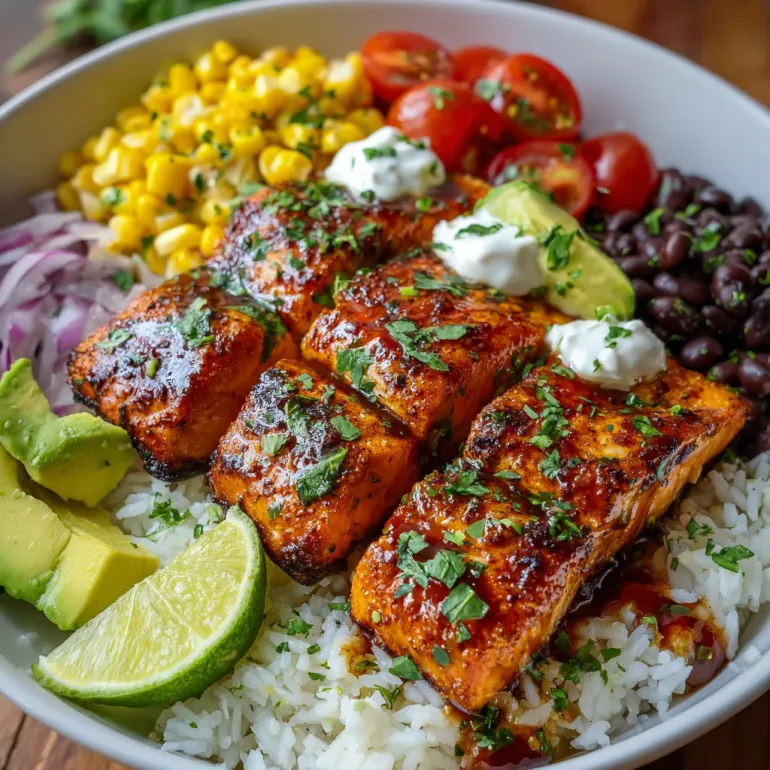
Cilantro and lime are my favorite accents here because they cut through the rich curry flavor and add that fresh pop that keeps the dish lively. A memorable moment with this dish was sharing it during a casual weekend dinner with friends, where everyone enjoyed customizing their bowls with different veggies and sauces.
Storage Tips
Store any leftover chicken and vegetables separately in airtight containers in the refrigerator for up to three days. To reheat, gently warm the chicken in a skillet to maintain its texture. You can also freeze the cooked chicken skewers for up to two months wrapped tightly.
Ingredient Substitutions
If you do not have chicken thighs, boneless chicken breasts work but tend to be less juicy. You can substitute coconut milk with almond or cashew milk although it will change the flavor slightly. Fresh ginger can be swapped for ½ teaspoon ground ginger, but fresh is best for full aroma.
Serving Suggestions
Serve with jasmine or basmati rice for a fragrant base. Add crunchy vegetables like shredded carrots, cucumber ribbons, or bell pepper strips in the bowl to create contrast. Drizzle with extra lime juice or a peanut dipping sauce for a delicious finish.
Cultural Context
Chicken satay has roots in Southeast Asian street food where grilled skewers of marinated meat are a beloved snack or meal. The curry powder and turmeric highlight Indian and Indonesian influences in the flavor profile which makes this bowl a delicious fusion of culinary traditions.
Pro Tips
- Always soak wooden skewers before using to avoid burning
- Do not rush marinating time, letting the chicken rest in the spices is key for flavor
- Use a cast-iron skillet for even heat and to get that perfect sear on the chicken
Recipe FAQs
- → What cut of chicken works best for this dish?
Boneless, skinless chicken thighs are ideal due to their tenderness and ability to absorb the marinade flavors well.
- → How long should the chicken marinate to maximize flavor?
Marinating for at least 30 minutes allows the spices and coconut milk to deeply penetrate the chicken for a richer taste.
- → Can I use a different cooking method than the skillet?
Yes, grilling or broiling also works well, giving the chicken a smoky char that enhances the curry spices.
- → What sides pair well with these bowls?
Fresh vegetables and steamed rice complement the dish, balancing the savory curry with bright, crisp textures.
- → How do garnishes like cilantro, lime, and peanuts enhance the flavor?
They add fresh herbaceous notes, tangy brightness, and crunchy texture that elevate the overall eating experience.
- → Is it important to soak wooden skewers before cooking?
Yes, soaking prevents the skewers from burning during the cooking process, especially when searing over high heat.