
 Save
Save
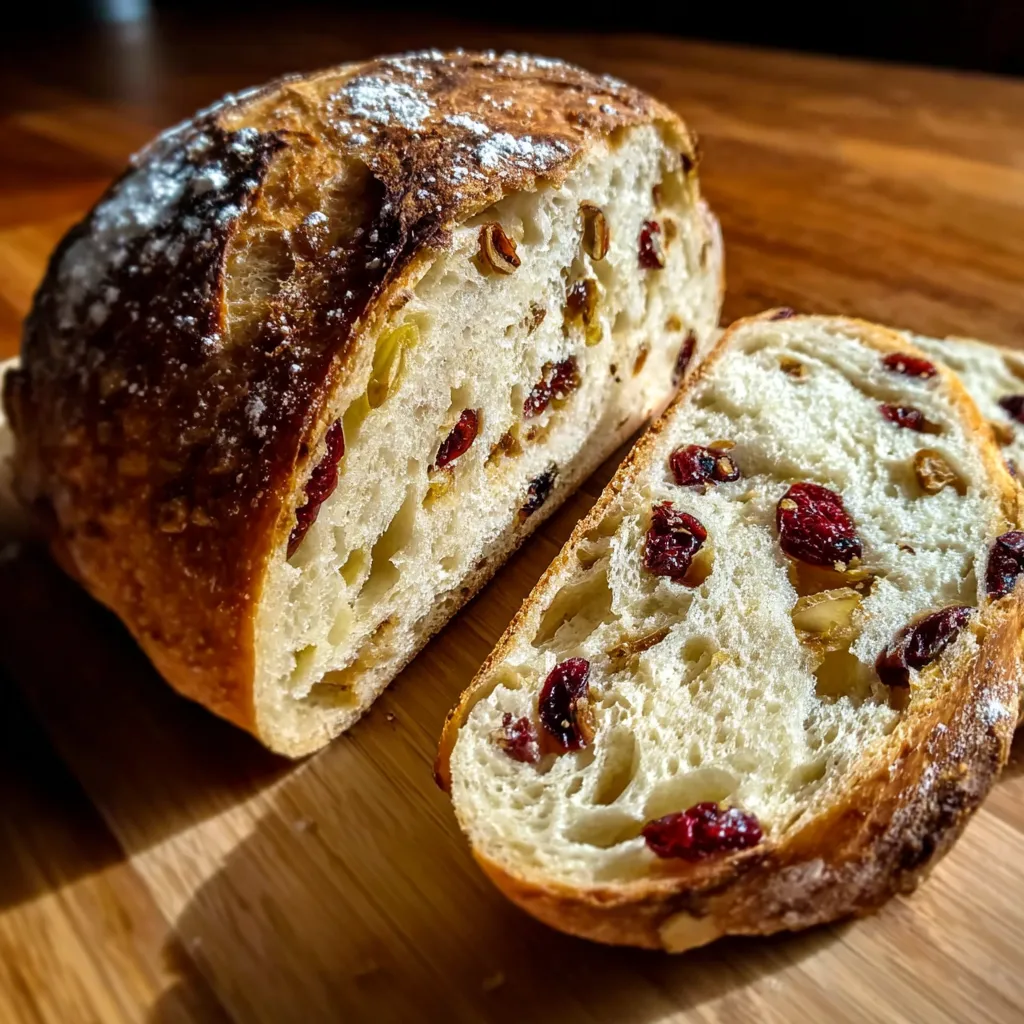
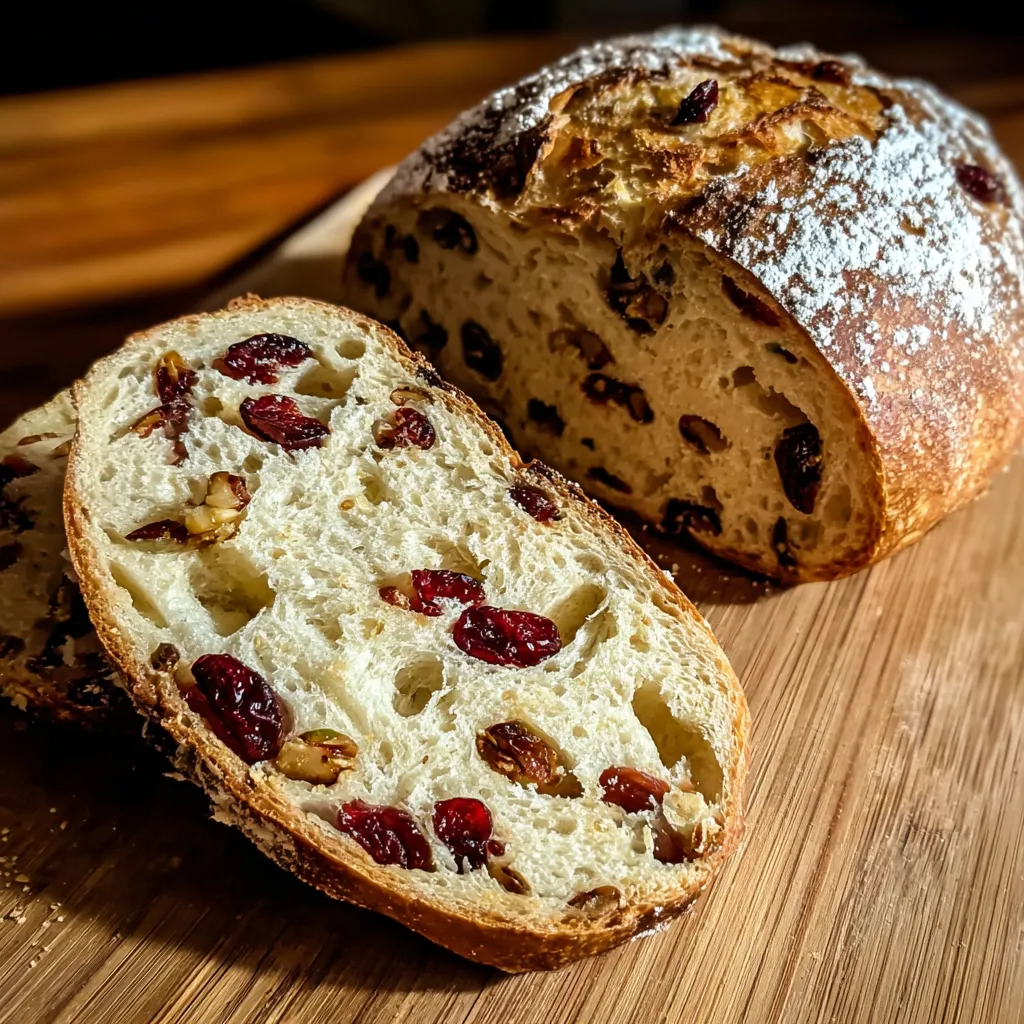
Cranberry raisin walnut cinnamon artisan bread is one of those comforting recipes that fills the kitchen with a warm, inviting aroma and delivers a perfect balance of sweet and nutty flavors with every bite. It’s a wonderful homemade treat that can brighten your breakfast or elevate your afternoon tea. This bread combines chewy dried fruits with crunchy walnuts and a hint of cinnamon for a unique twist on traditional artisan bread.
I first made this bread on a chilly weekend and was amazed how the flavors developed overnight. Now it’s my go-to recipe when I want something special without too much fuss.
Ingredients
- Water at room temperature: helps activate yeast gently for a good rise
- Honey: a natural sweetener that feeds the yeast and adds subtle sweetness, choose raw or local honey for best flavor
- Active dry yeast: crucial for the bread’s rise, make sure it’s fresh for optimal fluffiness
- Bread flour or all-purpose flour: bread flour gives better structure but all-purpose works too
- Kosher salt: enhances the flavors and controls yeast activity
- Ground cinnamon: adds warmth and depth, fresh ground is always better
- Dried cranberries: bring tangy sweetness; look for ones without added sugars if possible
- Raisins: another layer of chewiness and sweetness; I like golden raisins for a milder taste
- Chopped walnuts: add crunch and a rich nutty flavor, lightly toast them beforehand if you want extra aroma
Step-by-Step Instructions
- Sponge the yeast:
- Stir the water and honey together in a large bowl and sprinkle the yeast on top. Let it sit until foamy which usually takes around 10 minutes. This ensures the yeast is alive and ready to work.
- Combine the dry ingredients:
- In a separate bowl, mix the flour, salt, cinnamon, dried cranberries, raisins, and chopped walnuts. Mixing the dry ingredients separately helps to distribute everything evenly which will give a consistent crumb.
- Mix the dough:
- Add the dry mix to the wet ingredients and stir until everything forms a shaggy dough. It will be sticky and rough and that’s perfect for artisan bread. Don’t overwork it at this stage.
- First rise:
- Cover the bowl with a clean kitchen towel or plastic wrap and let the dough rise at room temperature for 8 to 10 hours. This slow fermentation develops flavor and texture beautifully.
- Shape and refrigerate:
- Turn the dough gently onto a floured surface, shape it into a ball or oval loaf, then place it in a floured banneton or bowl. Refrigerate overnight to make the dough easier to handle and improve the crust.
- Preheat and bake:
- Preheat your oven to 450 degrees Fahrenheit with a Dutch oven inside. Carefully score the top of your dough with a sharp knife or razor blade, then place it inside the hot Dutch oven. Bake covered for 30 minutes.
- Finish baking:
- Remove the lid and bake uncovered for an additional 15 to 20 minutes until the crust turns deep golden brown and sounds hollow when tapped.
- Cool before slicing:
- Let the bread cool completely on a wire rack so the crumb sets properly. Cutting too soon can result in a gummy texture.
 Save
Save
My favorite ingredient has to be the combination of dried cranberries and walnuts. The first time I served this bread at a family brunch, my aunt kept going back for another slice because she loved the contrast of sweet and crunchy. It instantly became a special recipe in our holiday rotation.
Storage tips
Store the bread wrapped in a clean kitchen towel or paper bag at room temperature for up to 3 days to keep the crust crisp. For longer storage, slice and freeze the bread in airtight bags. Toast slices straight from the freezer for a fresh-baked feel.
Ingredient substitutions
If you prefer, sub pecans or almonds for the walnuts for a different nutty twist. You can also swap honey for maple syrup or agave nectar but expect a slightly different sweetness profile. Feel free to mix in dried cherries or apricots instead of raisins and cranberries for seasonal variation.
Serving suggestions
This bread pairs beautifully with cream cheese or a mild butter to let the flavors shine. It also makes a lovely base for open-faced sandwiches with sliced turkey or brie cheese. Warm it lightly in the oven before serving for the best texture and aroma experience.
Cultural context
Artisan bread baking has roots in traditional European baking where slow fermentation and natural ingredients create complex flavors. The addition of dried fruits and nuts reflects the American love for combining sweet and savory, making this bread a nostalgic yet modern favorite for holiday celebrations and brunch tables.
Pro Tips
- Make sure your yeast is fresh and active or the bread won’t rise properly
- Don’t skip the long overnight rise, it’s what builds the flavor and texture in this bread
- Score the dough with confident, swift strokes to help control how the bread expands during baking
Recipe FAQs
- → What is the best way to ensure a good rise for the dough?
Use fresh yeast and warm water mixed with honey to activate fermentation. Allow the dough to rise in a warm place for 8 to 10 hours to develop flavor and texture.
- → Can I substitute the walnuts with other nuts?
Yes, pecans or almonds can be used as alternatives, adding their own unique crunch and flavor to complement the dried fruits and cinnamon.
- → How does baking in a Dutch oven affect the bread?
Baking covered traps steam, helping to create a crisp, golden crust while maintaining a soft and moist interior.
- → Is it necessary to refrigerate the dough overnight?
Chilling the shaped dough overnight slows fermentation, enhancing flavor complexity and improving dough handling during baking.
- → How can I adjust the sweetness of this bread?
Increase or decrease the honey amount or raisin quantity to suit your preferred level of sweetness without overpowering the other flavors.