
 Save
Save
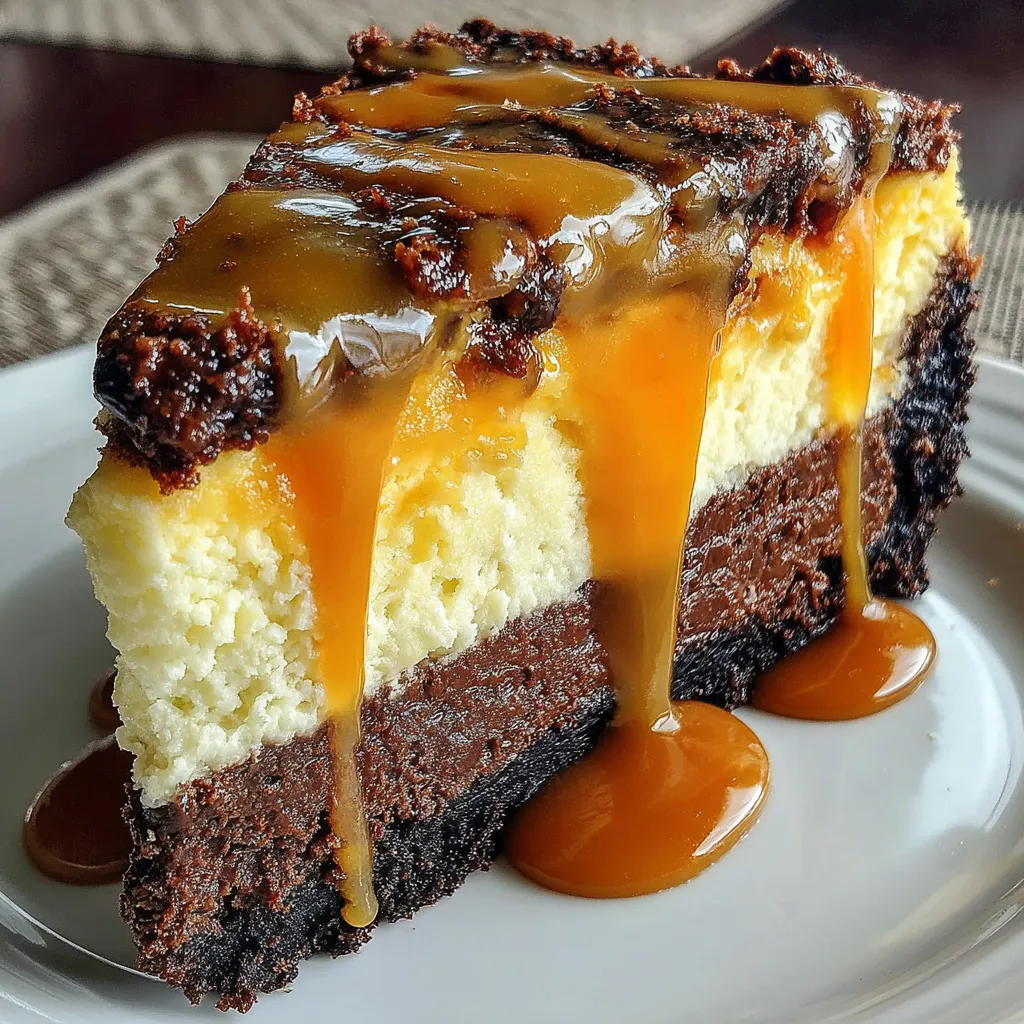
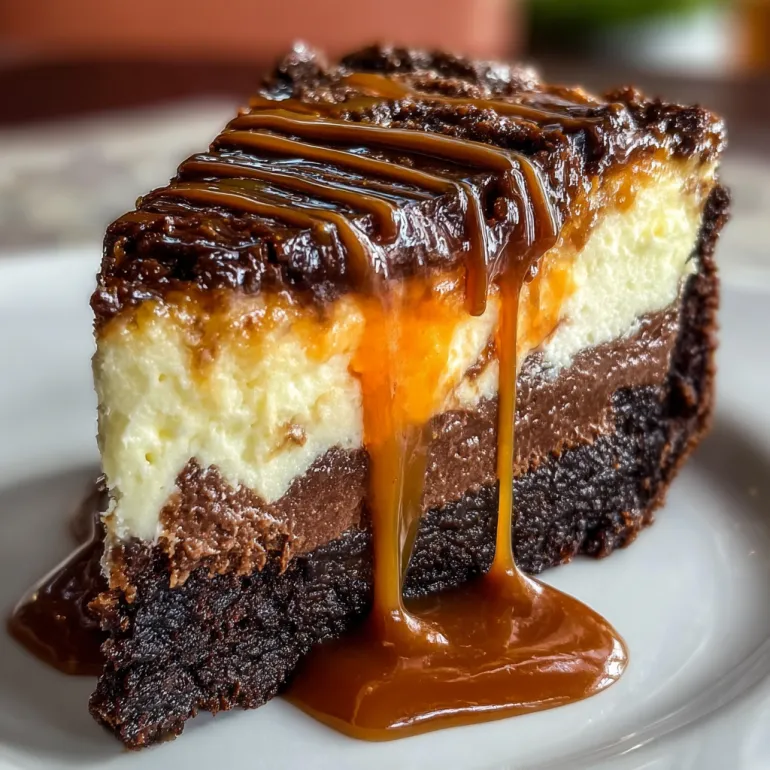
This decadent caramel brownie cheesecake combines a rich fudgy brownie base with a smooth creamy cheesecake layer and a sweet salted caramel finish. It makes for an unforgettable dessert perfect for special occasions or whenever you crave something indulgent. Preparing it takes time due to baking and chilling but the process is straightforward and well worth it.
I first made this for a holiday party and everyone asked for the recipe. It quickly became a family favorite for birthdays and gatherings.
Ingredients
- Unsalted butter: melted to moisture and richness in the brownie base. Use good quality butter for best flavor.
- Granulated sugar: sweetens both layers and balances bitterness from cocoa.
- Unsweetened cocoa powder: adds deep chocolate flavor; choose a natural unsweetened type for a strong cocoa taste.
- Fine sea salt: enhances the chocolate and caramel notes; I always prefer a fine variety for even distribution.
- Vanilla extract or vanilla bean paste: brings aromatic warmth to all layers. Pure vanilla really makes a difference here.
- Large eggs: bind both batters and add richness; using room temperature eggs helps them incorporate smoothly.
- All-purpose flour: just enough to hold the brownie together without toughness. Fresh flour ensures light texture.
- Cream cheese: softened for a silky cheesecake layer without lumps, best if left at room temperature an hour before use.
- Light brown sugar: keeps the cheesecake layer moist with subtle caramel notes.
- Heavy cream: adds luscious smoothness and richness to the cheesecake filling.
- Caramel sauce (salted preferred): brings the perfect sweet and salty contrast that ties the whole dessert together.
- Optional flaky sea salt: for finishing adds an elegant touch and enhances flavor with every bite.
Step-by-Step Instructions
- Sauté the brownie base:
- Preheat the oven to three hundred twenty-five degrees Fahrenheit or one hundred sixty-three degrees Celsius. Butter a springform pan generously and set it on a rimmed baking sheet to catch drips. In a large bowl whisk together melted butter granulated sugar cocoa powder and fine sea salt until smooth. Stir in vanilla extract. Add eggs one at a time mixing thoroughly after each addition. Fold in flour gently just until combined to avoid overmixing. Spread the batter evenly in the pan and bake for fifteen minutes until set. Let it cool completely.
- Prepare the cheesecake layer:
- In a clean large bowl beat softened cream cheese until completely smooth and free of lumps. Add granulated sugar light brown sugar and heavy cream. Beat until creamy and well combined. Add eggs one at a time mixing just until incorporated to keep the texture silky. Stir in vanilla extract or paste. Pour this cheesecake mixture carefully over the cooled brownie layer. Tap the pan lightly to release any air bubbles trapped in the batter.
- Bake and chill the cheesecake:
- Place the pan in the oven and bake for about fifty-five minutes to one hour. The cheesecake top should mostly look set with a slight jiggle in the center. Turn off the oven and let the cake cool inside with the door slightly open for ten minutes. Then transfer to a wire rack to cool completely before refrigerating for at least four hours preferably overnight to allow flavors to meld and the cheesecake to fully set.
- Finish and serve:
- Once chilled remove the cheesecake carefully from the springform pan and place on a serving plate. Drizzle the caramel sauce evenly on top. Sprinkle flaky sea salt if using. For clean slices warm a sharp knife under hot water wipe it dry and slice the cheesecake chilled or slightly warmed above refrigerator temperature.
 Save
Save
Storage Tips
Store any leftovers covered tightly in the refrigerator for up to four days. The chilling continues to improve the cheesecake texture and flavor with time. You can also freeze individual slices wrapped well in plastic wrap then foil to keep quality intact for up to one month. Defrost in the fridge overnight before serving.
Ingredient Substitutions
- Butter can be replaced with vegan margarine for a dairy free version though the taste will differ slightly.
- Brown sugar can be swapped for coconut sugar for a lower glycemic alternative.
- Cream cheese can be substituted with a mix of ricotta and mascarpone to lighten texture but the classic cream cheese richness is hard to beat.
- Use a dairy free caramel sauce or homemade using coconut milk caramel for a vegan take on this indulgent dessert.
Serving Suggestions
Serve this cheesecake as a stunning centerpiece for celebrations alongside fresh berries or whipped cream to balance its richness. A cup of strong coffee or espresso pairs beautifully to cut through the sweetness and complement the chocolate notes. You can also add toasted nuts sprinkled on top for nice texture contrast.
Cultural and Historical Context
Cheesecake traces its origins back to Ancient Greece where it was considered a delicacy and served to athletes during the first Olympic games. Brownies became popular in America early in the twentieth century as a rich chocolaty dessert. Combining them creates a modern fusion where two beloved desserts unite to create an indulgent layered treat perfect for contemporary celebrations.
Pro Tips
- Always allow the brownie layer to cool completely before adding the cheesecake layer to prevent mixing between layers and soggy texture.
- Be patient cooling the cheesecake gradually to avoid cracks and ensure smooth creamy texture.
- Use a warm knife when slicing for neat clean edges and to avoid dragging the layers apart.
Recipe FAQs
- → How do I achieve a fudgy brownie base?
Using melted butter and unsweetened cocoa powder creates a moist, rich brownie layer. Be careful not to overmix the flour to maintain fudginess.
- → What is the best way to soften cream cheese for smooth texture?
Let the cream cheese sit at room temperature until fully softened to avoid lumps in the cheesecake layer.
- → How can I prevent cracks in the cheesecake layer?
Bake the cheesecake until it’s mostly set, then let it cool gradually by leaving the oven door slightly open before chilling to reduce cracking.
- → Why is it recommended to chill overnight?
Overnight chilling helps the layers set firmly, enhancing the flavor meld and making slicing easier.
- → What does warming the knife do when serving?
Warming the knife helps achieve clean, smooth slices without damaging the delicate layers.